


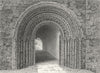


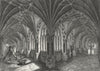




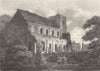

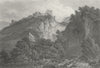






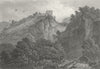



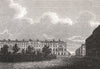


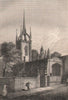

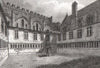


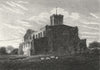


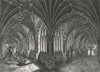

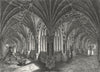


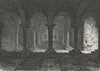


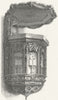
London's churches, company halls and vanished buildings are the heart of these topographical prints by John Greig, an engraver and draughtsman of the early nineteenth century. Greig worked on illustrated architectural and antiquarian publications, and museum catalogues record him from 1803 to 1853. Here are Guildhall, the East India House, the Savoy and the halls of the Fishmongers, Ironmongers and Skinners, with statues in Bloomsbury and Russell Squares and the new Waterloo Bridge. Further afield, abbeys, castles and church details at Malvern, Worcester, Dunstable and Castle Acre show his antiquarian side, with tombs, crypts and fragments as carefully recorded as whole streets. He engraved the plates, but they may follow another artist's drawing.
EU orders up to €150 are sent VAT- and duty-paid — no additional taxes on arrival
Authenticity Guaranteed - We only sell original antique & vintage items
Can we help? Call us on +44-208-960-3476 • FAQs
All our products are exempt from US tariffs — no additional duties or taxes payable on arrival.


- Shop by Country
- Shop by Cartographer
- Shop Maps by Type
- Shop Prints by Subject